Articles
Explore practical shipping insights and connect with our core services, including Air Freight, Express Delivery, Special Line, and Ocean Freight. For regulated cargo support, visit our Battery Shipping page, review the Battery Lithium-Ion Transportation Guide, or contact us for a quote.
Featured Articles
-
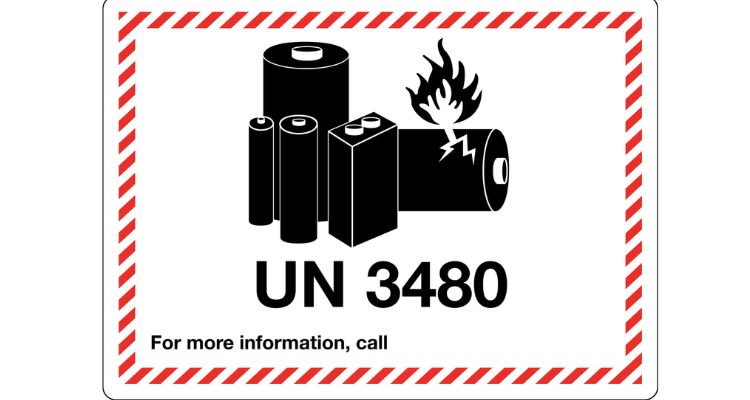
UN3480 Shipping Requirements: Complete Guide for Lithium-Ion Battery Transportation
Lithium-ion batteries are widely used in electric vehicles, energy storage systems, consumer electronics, medical devices, drones, and industrial equipment. When these batteries are shipped separately — not installed in equipment — they are classified as UN3480 Lithium Ion Batteries, one of the most strictly regulated dangerous goods categories in international transportation. At BatteryShipping.com, we specialize in compliant
All Articles
-
Air Transport Lithium Battery Regulations: Complete Guide to IATA & ICAO Compliance
Air transport of lithium batteries is one of the most strictly regulated areas in global logistics due to the potential fire risk associated with high-energy battery systems. As global demand for electronics, electric vehicles, and portable power systems continues to grow, understanding air transport regulations is essential for safe and compliant lithium battery shipping. This guide

-
Battery Shipping Compliance Requirements: Complete Global Regulatory Guide
Battery transportation is one of the most strictly regulated areas in global logistics due to the fire, explosion, and thermal risks associated with lithium-based energy storage systems. As demand for electronics, electric vehicles, and renewable energy systems continues to grow, compliance in lithium battery shipping has become a critical requirement for manufacturers, exporters, and freight forwarders. This
-
Dangerous Goods Lithium Battery Rules: Complete Guide to International Shipping Compliance
Lithium batteries are now essential to modern industries, powering smartphones, laptops, electric vehicles, medical devices, and energy storage systems. However, because lithium batteries can present fire and thermal risks during transport, they are regulated globally as dangerous goods. Understanding dangerous goods regulations is critical for manufacturers, exporters, importers, freight forwarders, and e-commerce businesses involved in
-
Lithium Battery Class 9 Explained: Complete Guide to Dangerous Goods Classification
Lithium batteries power modern technology, from smartphones and laptops to electric vehicles and energy storage systems. However, because of their fire and thermal risks, lithium batteries are classified as Class 9 Dangerous Goodsunder international transport regulations. Understanding the meaning of “Class 9” is essential for manufacturers, exporters, freight forwarders, and logistics companies involved in global lithium battery
-
UN38.3 Requirements Explained: Complete Guide for Lithium Battery Shipping Compliance
As global demand for lithium batteries continues to rise, international regulators have implemented strict safety requirements to reduce transport risks. One of the most important standards in global lithium battery shipping is UN38.3. Without UN38.3 compliance, lithium batteries generally cannot be legally transported by air, sea, road, or rail. Airlines, ocean carriers, customs authorities, and freight forwarders all
-
IMDG Lithium Battery Shipping Rules: Complete Guide for International Sea Transport
The global demand for lithium batteries continues to grow rapidly due to electric vehicles, consumer electronics, energy storage systems, and industrial equipment. As international trade expands, compliance with maritime dangerous goods regulations has become essential for safe and legal lithium battery shipping. For ocean freight transport, lithium batteries are regulated under the IMDG Code (International Maritime Dangerous
-
Lithium Metal Battery Shipping Rules: Complete International Compliance Guide
Lithium metal batteries are widely used in medical devices, military equipment, industrial electronics, watches, sensors, and backup power systems. However, due to their chemical properties and fire risk, they are heavily regulated under international dangerous goods transport rules. Understanding the correct lithium battery shipping requirements is essential for manufacturers, exporters, freight forwarders, and e-commerce businesses involved in
-
What Is UN3481 Explained: A Complete Guide to Lithium Battery Shipping
UN3481 is a key classification used in international dangerous goods regulations to describe lithium-ion batteries that are packed with equipment or contained within equipment during transport. It is one of the most commonly encountered shipping categories in global logistics involving electronics, energy devices, and industrial equipment. Because lithium batteries are classified as hazardous materials, UN3481 shipments are
-
What Is UN3480 Explained: A Complete Guide to Lithium-Ion Battery Shipping
UN3480 is one of the most important classification codes in global dangerous goods logistics. It refers specifically to lithium-ion batteries shipped by themselves (not contained in equipment or packed with equipment). Because of their energy density and fire risk under thermal runaway conditions, UN3480 shipments are tightly regulated under international air, sea, and road transport rules.
-
What Is UN38.3 Certification? (2026 Complete Compliance Guide)
UN38.3 certification is the mandatory safety testing standard required for the transportation of lithium batteries across international air, sea, and land logistics networks. It is not a marketing certificate or voluntary quality label — it is a regulatory requirement under the United Nations Dangerous Goods transport framework. All lithium batteries must pass UN38.3 testing before they