Articles
Explore practical shipping insights and connect with our core services, including Air Freight, Express Delivery, Special Line, and Ocean Freight. For regulated cargo support, visit our Battery Shipping page, review the Battery Lithium-Ion Transportation Guide, or contact us for a quote.
Featured Articles
-
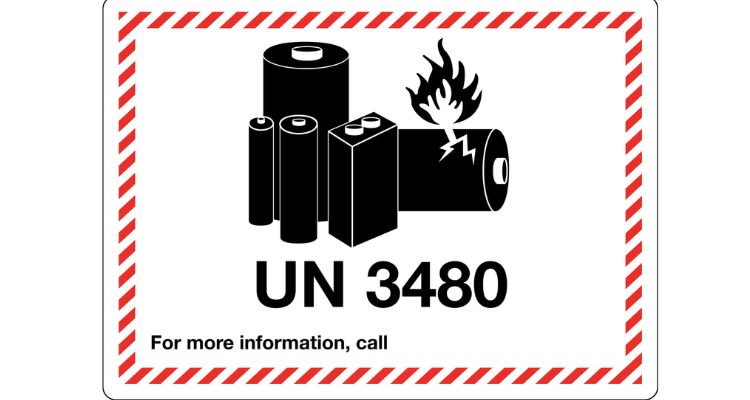
UN3480 Shipping Requirements: Complete Guide for Lithium-Ion Battery Transportation
Lithium-ion batteries are widely used in electric vehicles, energy storage systems, consumer electronics, medical devices, drones, and industrial equipment. When these batteries are shipped separately — not installed in equipment — they are classified as UN3480 Lithium Ion Batteries, one of the most strictly regulated dangerous goods categories in international transportation. At BatteryShipping.com, we specialize in compliant
All Articles
-
UN38.3 Testing Requirements Explained for Global Shipping
Understanding UN38.3 testing is essential for anyone involved in international battery logistics. Whether you are an importer, e-commerce seller, freight forwarder, or manufacturer, compliance with UN38.3 is the foundation of safe and legal lithium battery shipping worldwide. This guide explains what UN38.3 means, why it is required, and how it impacts packaging, documentation, and transport decisions across air, sea, and express

-
Sea Freight Lithium Battery Shipping Guide for Exporters
Sea freight remains one of the most widely used methods for global logistics of hazardous goods, especially for bulk lithium battery shipping. Compared with air transport, ocean freight offers more flexibility in volume and cost efficiency, but it still requires strict compliance with international safety standards. For importers, e-commerce sellers, freight forwarders, and manufacturers, understanding sea
-
Lithium Battery Shipping Requirements for Air Freight
Lithium batteries are now one of the most frequently shipped hazardous goods in global trade, driven by the growth of electronics, electric vehicles, and renewable energy storage systems. However, lithium battery shipping by air freight is highly regulated due to fire risks and safety concerns. For importers, e-commerce sellers, freight forwarders, and manufacturers, understanding compliance requirements is
-
Lithium Battery Shipping Documentation Requirements
Introduction International logistics for lithium batteries is governed by strict documentation rules due to their classification as hazardous materials. In global lithium battery shipping, compliance is not determined only by packaging or labeling, but equally by the accuracy and completeness of documentation. A central requirement across all regulatory frameworks is UN38.3 testing compliance, which confirms that lithium
-
UN Model Regulations Lithium Batteries: Regulatory Framework for Global Lithium Battery Shipping
Introduction The global expansion of energy storage technologies has made lithium batteries a central component of modern supply chains—from consumer electronics to electric vehicles and industrial energy systems. However, their high energy density and potential thermal runaway risks classify them as dangerous goods under international transport law. At the center of global compliance for lithium battery shipping is
-
UN Model Regulations Lithium Batteries: Global Classification and Compliance Framework for Lithium Battery Shipping
Introduction The UN Model Regulations on the Transport of Dangerous Goods form the foundation of all global dangerous goods transport systems, including air, sea, road, and rail. Within this framework, lithium batteries are classified as high-risk Class 9 dangerous goods due to their potential for thermal runaway and fire hazards during transport. For global logistics operators, compliance
-
ICAO Technical Instructions Lithium Batteries: Global Standards for Safe Lithium Battery Shipping
Introduction The international transport of lithium batteries is strictly regulated due to their classification as Class 9 dangerous goods and their potential thermal runaway risk during transit. As global demand increases, UN38.3 compliance has become a mandatory baseline requirement for all air transport operations. Under the framework of aviation safety regulations, ICAO Technical Instructions (TI) provide the legally binding
-
IATA DGR Lithium Battery Section Explained: UN38.3 and Lithium Battery Shipping Compliance Guide
Introduction The global transport of lithium batteries is governed by strict international safety regulations due to their classification as dangerous goods. As demand for electric vehicles, consumer electronics, and energy storage systems continues to rise, UN38.3 testing compliance has become a fundamental requirement for all battery logistics. Within the framework of air transport, lithium battery shipping must comply with
-
Lithium Battery Transport Legal Requirements: Complete International Compliance Guide
Lithium batteries are essential components in modern electronics, electric vehicles, medical equipment, and renewable energy systems. However, because lithium batteries can create fire, heat, and explosion risks during transport, governments and international organizations have established strict legal requirements for global lithium battery shipping. Manufacturers, exporters, importers, and logistics providers must comply with international dangerous goods laws
-
Sea Freight Lithium Battery Regulations: Complete IMDG Compliance Guide
Sea freight is one of the most common methods for transporting lithium batteries internationally, especially for large commercial shipments, electric vehicle batteries, and energy storage systems. However, because lithium batteries present fire and thermal risks, maritime transport is heavily regulated under international dangerous goods laws. Understanding sea freight regulations is essential for manufacturers, exporters, freight