Articles
Explore practical shipping insights and connect with our core services, including Air Freight, Express Delivery, Special Line, and Ocean Freight. For regulated cargo support, visit our Battery Shipping page, review the Battery Lithium-Ion Transportation Guide, or contact us for a quote.
Featured Articles
-
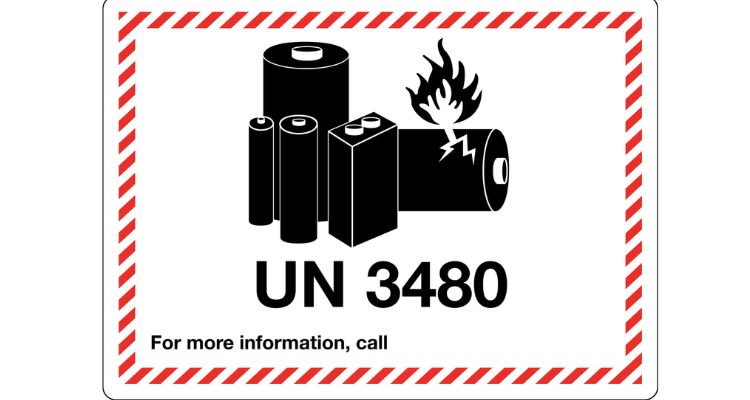
UN3480 Shipping Requirements: Complete Guide for Lithium-Ion Battery Transportation
Lithium-ion batteries are widely used in electric vehicles, energy storage systems, consumer electronics, medical devices, drones, and industrial equipment. When these batteries are shipped separately — not installed in equipment — they are classified as UN3480 Lithium Ion Batteries, one of the most strictly regulated dangerous goods categories in international transportation. At BatteryShipping.com, we specialize in compliant
All Articles
-
How to Package Lithium Batteries for Shipping (2026 IATA Compliance Guide)
Proper packaging of lithium batteries is critical for safe and compliant international transport. Due to their classification as Dangerous Goods (Class 9), lithium batteries must be packaged according to strict international regulations to prevent fire, short circuit, or thermal runaway during transport. Global packaging requirements are governed by: 1. Why Lithium Battery Packaging Is Strictly Regulated

-
Can You Ship Power Banks Internationally? (2026 Guide)
Power banks are widely used consumer products, but when it comes to international shipping, they are classified as lithium-ion batteries and fall under strict Dangerous Goods regulations (Class 9). Whether you can ship a power bank internationally depends on its configuration, watt-hour (Wh) rating, and compliance with aviation safety regulations. International transport rules are governed by: 1. Can You
-
FedEx Lithium Battery Shipping Policy (2026): Complete Compliance Guide
FedEx lithium battery shipping policy is based on international dangerous goods regulations rather than independently defined rules. All lithium battery shipments handled by FedEx must comply with global aviation safety standards due to their classification as Dangerous Goods (Class 9). FedEx enforces compliance primarily through: This guide explains FedEx lithium battery acceptance rules, restrictions, and compliance
-
UPS Lithium Battery Rules (2026): Complete Shipping Requirements Guide
UPS lithium battery shipping rules are based on international dangerous goods frameworks rather than standalone carrier regulations. All lithium battery shipments handled by UPS must comply with global aviation and transport safety standards due to their classification as Dangerous Goods (Class 9). UPS primarily enforces regulations defined by: This guide explains UPS lithium battery acceptance rules,
-
DHL Lithium Battery Shipping Requirements (2026): Complete Compliance Guide
Lithium battery shipments handled by DHL are subject to strict international regulations due to their classification as Dangerous Goods (Class 9). DHL does not define its own standalone lithium battery regulations. Instead, it enforces rules based on: This guide explains DHL’s lithium battery shipping requirements for air and express freight in 2026. 1. DHL Lithium Battery
-
IATA Lithium Battery Shipping Guide (2026): Complete Air Transport Compliance Manual
Lithium batteries are classified as Dangerous Goods Class 9 under international air transport regulations due to their potential to cause fire, explosion, or thermal runaway if improperly handled. The global air transport of lithium batteries is primarily regulated by the: This guide explains how lithium batteries must be classified, packaged, labeled, and shipped under IATA standards in
-
Lithium Battery Shipping Regulations 2026: Complete Global Compliance Guide
Lithium battery transport remains one of the most strictly regulated areas in global logistics due to its classification as Dangerous Goods (Class 9) and its associated fire and thermal runaway risks. In 2026, international shipping regulations for lithium batteries continue to be governed by four primary regulatory frameworks: These frameworks define how lithium batteries must be classified,
-
UN3480 vs UN3481 Explained: Lithium Battery Shipping Guide (IATA/DG Cargo)
Lithium batteries are classified as dangerous goods (Class 9) under international transport regulations. Their classification, packaging, and acceptance rules are defined by the UN Model Regulations, implemented through IATA Dangerous Goods Regulations (DGR) and IMDG Code. According to the International Air Transport Association: “Lithium batteries are dangerous goods and are subject to strict transport requirements depending on their configuration and Watt-hour
-
How to Ship Lithium Batteries Internationally
Lithium batteries power modern global supply chains—from smartphones and laptops to electric vehicles and industrial equipment. However, despite their widespread use, international transport of lithium batteries is heavily regulated due to safety risks such as fire hazards and thermal runaway. This guide explains how to ship lithium batteries internationally in compliance with global standards, including