Author: batteryshipping

  • How to Package Lithium Batteries for Shipping (2026 IATA Compliance Guide)

    Proper packaging of lithium batteries is critical for safe and compliant international transport. Due to their classification as Dangerous Goods (Class 9), lithium batteries must be packaged according to strict international regulations to prevent fire, short circuit, or thermal runaway during transport.

    Global packaging requirements are governed by:

    • International Air Transport Association (IATA) Dangerous Goods Regulations (DGR)
    • International Civil Aviation Organization (ICAO) Technical Instructions
    • United Nations Model Regulations
    • International Maritime Organization IMDG Code (sea freight)

    1. Why Lithium Battery Packaging Is Strictly Regulated

    Lithium batteries are considered hazardous because they may:

    • Overheat under physical stress
    • Experience thermal runaway
    • Cause fire during air transport
    • React to short circuits or crushing

    According to IATA:

    Lithium batteries are classified as Dangerous Goods due to their potential to cause fire during transport.

    Source: International Air Transport Association (IATA)
    https://www.iata.org/en/programs/cargo/dgr/lithium-batteries/


    2. General Packaging Principles for Lithium Batteries

    All lithium battery shipments must follow these core safety principles:

    2.1 Prevent short circuits

    Battery terminals must be fully insulated using:

    • Non-conductive tape
    • Protective caps
    • Individual cell separation

    2.2 Prevent movement inside package

    Batteries must be secured using:

    • Foam padding
    • Shock-absorbing material
    • Tight-fitting inner packaging

    2.3 Prevent external damage

    Outer packaging must be:

    • Rigid
    • Crush-resistant
    • Impact-tested

    These principles are defined under:

    • IATA DGR Packing Instructions (PI965โ€“PI967)

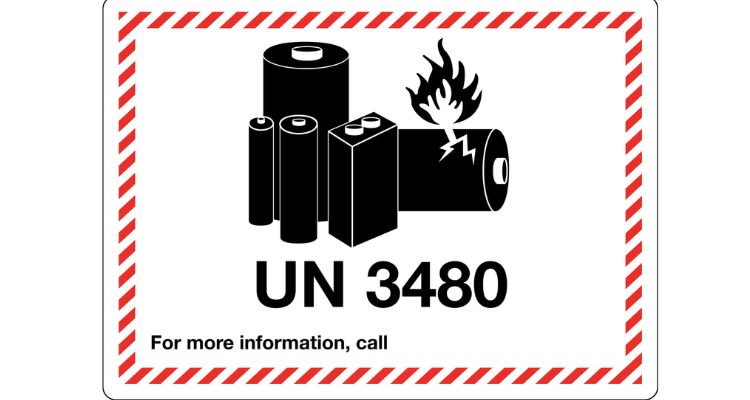
    3. Packaging Requirements for UN3480 (Batteries Alone)

    UN3480 refers to lithium-ion batteries shipped independently.

    Source: United Nations Economic Commission for Europe
    UN Model Regulations: https://unece.org/transport/dangerous-goods/un-model-regulations

    Required packaging structure:

    • Strong outer fiberboard box or UN-approved container
    • Each battery individually insulated
    • Non-conductive inner packaging
    • Separation to prevent contact between batteries
    • Shock and vibration protection

    Additional requirements:

    • Must comply with IATA PI965
    • Often restricted to cargo aircraft only

    4. Packaging Requirements for UN3481 (Batteries with Equipment)

    UN3481 applies when batteries are:

    • Contained in equipment, or
    • Packed with equipment

    Requirements:

    • Device must be secured to prevent movement
    • Battery must be protected against activation
    • Terminals must be insulated if applicable
    • Equipment must be packaged to prevent damage

    IATA reference:

    • PI966 (packed with equipment)
    • PI967 (contained in equipment)

    Source: International Civil Aviation Organization (ICAO)
    https://www.icao.int/safety/DangerousGoods/Pages/default.aspx


    5. Packaging Materials Approved for Lithium Batteries

    Approved materials typically include:

    • UN-rated fiberboard boxes
    • Anti-static foam
    • EPE foam inserts
    • Plastic inner liners (non-conductive)
    • Bubble wrap (as cushioning only)

    Prohibited materials in most DG contexts:

    • Loose conductive metal contact
    • Unprotected battery stacking
    • Damaged or non-certified outer packaging

    6. Labeling Requirements After Packaging

    Once packaged, shipments must include proper hazard communication labels:

    • Lithium Battery Handling Label
    • UN number (UN3480 / UN3481)
    • Class 9 Dangerous Goods Label (when required)
    • Cargo Aircraft Only label (for restricted air shipments)

    Incorrect labeling is one of the most common causes of shipment rejection.


    7. Documentation Linked to Packaging Compliance

    Proper packaging must be supported by documentation:

    • UN38.3 Test Report (mandatory safety certification)
    • Material Safety Data Sheet (MSDS)
    • Dangerous Goods Declaration (DGD where required)
    • Commercial Invoice
    • Packing List

    Source: International Air Transport Association (IATA)
    https://www.iata.org/en/publications/dgr/


    8. Common Packaging Mistakes

    Most lithium battery shipment failures occur due to:

    • Loose batteries inside packaging
    • Missing terminal protection
    • Non-rigid outer cartons
    • Mixing damaged and intact batteries
    • Incorrect UN classification packaging standards

    These mistakes often lead to:

    • Airline rejection
    • Customs delays
    • Cargo return

    9. Air vs Sea Freight Packaging Differences

    Air freight (IATA DGR)

    • Strictest packaging requirements
    • Tight shock resistance standards
    • Cargo Aircraft Only restrictions for UN3480

    Sea freight (IMDG Code)

    • More flexible SoC and quantity limits
    • Different labeling structure
    • Longer transit time tolerance

    Source: International Maritime Organization
    https://www.imo.org/en/OurWork/Safety/Pages/DangerousGoods.aspx


    Proper lithium battery packaging is not optionalโ€”it is a mandatory requirement under international dangerous goods regulations.

    To comply with global shipping standards, packaging must:

    • Prevent short circuits
    • Prevent movement and damage
    • Meet IATA PI965โ€“PI967 requirements
    • Align with UN classification rules
    • Support full documentation compliance

    Failure to package correctly may result in shipment rejection, penalties, or safety incidents.

    For international logistics operations, correct packaging is one of the most critical steps in lithium battery transport compliance.

    Contact Details

    Speak with our logistics team about battery cargo requirements, shipping routes, transit options, and quotation support. We are available for business inquiries by phone, email, and WhatsApp.

    Email us: Peter: petergc@yeah.net

    Mobile / Wechat / WhatsApp: +86 13632768961

    TEL:+86-755-89239661

    Company : QLT Logistics

    Visit Us: Address: Fenglin international building B2010- B2011,Auspicious road, Longgang District, Shenzhen,China.

    Hours: Hours: Monday to Saturday, 9:00 AM to 6:00 PM (China Standard Time)

    Add Our Wechat

  • Can You Ship Power Banks Internationally? (2026 Guide)

    Power banks are widely used consumer products, but when it comes to international shipping, they are classified as lithium-ion batteries and fall under strict Dangerous Goods regulations (Class 9).

    Whether you can ship a power bank internationally depends on its configuration, watt-hour (Wh) rating, and compliance with aviation safety regulations.

    International transport rules are governed by:

    • International Air Transport Association (IATA) Dangerous Goods Regulations (DGR)
    • International Civil Aviation Organization (ICAO) Technical Instructions
    • United Nations Dangerous Goods Model Regulations

    1. Can You Ship Power Banks Internationally?

    โœ” Yes โ€” but only under strict conditions.

    Power banks are generally classified as:

    UN3480 โ€“ Lithium-ion batteries (standalone batteries)

    Source: United Nations Economic Commission for Europe
    UN Model Regulations: https://unece.org/transport/dangerous-goods/un-model-regulations

    Because they contain lithium-ion cells, they are considered high-risk cargo in air transport due to fire hazards.


    2. Why Power Banks Are Restricted in Shipping

    Power banks are restricted because lithium-ion batteries can:

    • Overheat under pressure or damage
    • Enter thermal runaway
    • Cause fire in cargo holds
    • React to short circuits during transport

    According to IATA:

    Lithium batteries are classified as Dangerous Goods due to their potential to cause fire incidents during transport.

    Source: International Air Transport Association (IATA)
    https://www.iata.org/en/programs/cargo/dgr/lithium-batteries/


    3. International Shipping Classification for Power Banks

    Most power banks fall under:

    UN3480 (Lithium-ion batteries alone)

    This means:

    • Not installed in a device
    • Shipped as standalone product
    • Subject to strict air transport restrictions

    Alternative classification (less common):

    • UN3481 (if packed with or inside equipment, depending on configuration)

    4. Airline & Carrier Restrictions

    Power bank shipments are heavily restricted in air transport:

    Common rules under IATA DGR:

    • Cargo aircraft only for many UN3480 shipments
    • State of Charge (SoC) typically limited to โ‰ค30%
    • Prior approval required from carriers
    • Quantity limitations per package

    Source: International Civil Aviation Organization (ICAO)
    https://www.icao.int/safety/DangerousGoods/Pages/default.aspx


    5. Watt-hour (Wh) Limits for Power Banks

    One of the most important factors is battery capacity (Wh rating).

    Typical regulatory thresholds:

    • โ‰ค100 Wh โ†’ generally easier to ship (subject to conditions)
    • 100โ€“160 Wh โ†’ restricted, carrier approval required
    • 160 Wh โ†’ often prohibited in passenger aircraft

    These limits are enforced under IATA Dangerous Goods Regulations (PI965โ€“PI967 framework).

    Source: International Air Transport Association (IATA)
    https://www.iata.org/en/publications/dgr/


    6. Packaging Requirements for Power Banks

    To ship power banks internationally, packaging must comply with DG safety standards:

    • Strong rigid outer packaging
    • Individual protection against short circuit
    • Terminal insulation (tape or caps)
    • Shock and vibration resistance
    • No loose movement inside packaging

    These requirements are defined under IATA Packing Instructions:

    • PI965 (UN3480)
    • PI967 (UN3481 scenarios)

    7. Labeling Requirements

    Proper labeling is mandatory for compliance:

    • Lithium Battery Handling Label
    • UN3480 or UN3481 marking
    • Class 9 Dangerous Goods label (if applicable)
    • Cargo Aircraft Only label (if required)

    Incorrect labeling is one of the most common causes of shipment rejection.


    8. Documentation Requirements

    International shipment of power banks typically requires:

    • UN38.3 Test Report (mandatory)
    • Material Safety Data Sheet (MSDS)
    • Commercial Invoice
    • Packing List
    • Dangerous Goods Declaration (if applicable)
    • Air Waybill (AWB)

    Source: International Air Transport Association (IATA)
    https://www.iata.org/en/publications/dgr/


    9. Common Reasons Power Bank Shipments Are Rejected

    Most international shipments fail due to:

    • Incorrect classification (UN3480 vs UN3481)
    • Missing UN38.3 documentation
    • Excessive Wh rating
    • Improper packaging
    • Attempting to ship as regular cargo without DG declaration

    10. Can All Countries Accept Power Banks?

    No.

    Acceptance depends on:

    • Airline policy (not just country rules)
    • Destination customs regulations
    • Carrier DG acceptance list
    • Battery capacity (Wh rating)

    Some routes are significantly more restrictive, especially for standalone lithium-ion batteries (UN3480).


    Yes, power banks can be shipped internationally โ€” but only when they comply with strict dangerous goods regulations.

    In most cases, they are treated as UN3480 lithium-ion batteries, requiring:

    • IATA DGR compliance
    • Proper packaging and labeling
    • UN38.3 certification
    • Carrier approval

    Non-compliance can result in:

    • Shipment rejection
    • Return to sender
    • Regulatory penalties

    For international logistics operations, understanding lithium battery classification is essential for successful and compliant transportation.

    Contact Details

    Speak with our logistics team about battery cargo requirements, shipping routes, transit options, and quotation support. We are available for business inquiries by phone, email, and WhatsApp.

    Email us: Peter: petergc@yeah.net

    Mobile / Wechat / WhatsApp: +86 13632768961

    TEL:+86-755-89239661

    Company : QLT Logistics

    Visit Us: Address: Fenglin international building B2010- B2011,Auspicious road, Longgang District, Shenzhen,China.

    Hours: Hours: Monday to Saturday, 9:00 AM to 6:00 PM (China Standard Time)

    Add Our Wechat

  • FedEx Lithium Battery Shipping Policy (2026): Complete Compliance Guide

    FedEx lithium battery shipping policy is based on international dangerous goods regulations rather than independently defined rules. All lithium battery shipments handled by FedEx must comply with global aviation safety standards due to their classification as Dangerous Goods (Class 9).

    FedEx enforces compliance primarily through:

    • International Air Transport Association (IATA) Dangerous Goods Regulations (DGR)
    • International Civil Aviation Organization (ICAO) Technical Instructions
    • United Nations Dangerous Goods Model Regulations

    This guide explains FedEx lithium battery acceptance rules, restrictions, and compliance requirements for 2026.


    1. FedEx Lithium Battery Shipping Overview

    FedEx classifies lithium batteries as hazardous materials (Dangerous Goods Class 9). Acceptance depends on:

    • Battery chemistry (lithium-ion or lithium metal)
    • Configuration (standalone or contained in equipment)
    • Watt-hour (Wh) rating
    • Compliance with IATA Packing Instructions

    Source: FedEx
    Dangerous Goods Guidelines: https://www.fedex.com/en-us/shipping/dangerous-goods.html

    FedEx only accepts lithium battery shipments that fully comply with applicable international regulations.


    2. Types of Lithium Battery Shipments Accepted by FedEx

    FedEx categorizes lithium battery shipments into three main groups:

    2.1 Lithium-ion batteries alone (UN3480)

    • Strictest acceptance conditions
    • Often limited to cargo aircraft operations
    • Requires full DG documentation approval

    2.2 Lithium-ion batteries contained in equipment (UN3481 โ€“ PI967)

    • Most widely accepted category
    • Lower regulatory restrictions

    2.3 Lithium-ion batteries packed with equipment (UN3481 โ€“ PI966)

    • Requires protective packaging separation
    • Moderate restriction level

    Source: International Civil Aviation Organization (ICAO)
    https://www.icao.int/safety/DangerousGoods/Pages/default.aspx


    3. Regulatory Framework Behind FedEx Lithium Battery Policy

    FedEx does not establish independent lithium battery classification rules. Instead, it operates under:

    • UN Dangerous Goods classification system
    • ICAO Technical Instructions (legal aviation standard)
    • IATA Dangerous Goods Regulations (operational standard)

    Source: United Nations Economic Commission for Europe
    UN Model Regulations: https://unece.org/transport/dangerous-goods/un-model-regulations


    4. IATA Packing Instructions Used by FedEx

    FedEx applies the following IATA Packing Instructions:

    • PI965 โ†’ UN3480 (lithium-ion batteries alone)
    • PI966 โ†’ UN3481 (packed with equipment)
    • PI967 โ†’ UN3481 (contained in equipment)
    • PI968โ€“PI970 โ†’ Lithium metal batteries (UN3090 / UN3091)

    These instructions define:

    • Packaging requirements
    • Quantity limits
    • Labeling standards
    • Acceptance conditions for air transport

    Source: International Civil Aviation Organization (ICAO)
    https://www.icao.int/safety/DangerousGoods/Pages/default.aspx


    5. State of Charge (SoC) Requirements

    For lithium-ion batteries shipped via air:

    • UN3480 batteries are generally restricted to โ‰ค30% State of Charge
    • Applies mainly to cargo aircraft shipments
    • Subject to FedEx operational and route-specific restrictions

    Source: International Air Transport Association (IATA)
    https://www.iata.org/en/programs/cargo/dgr/

    SoC limitation is a critical safety measure to reduce thermal runaway risk during transport.


    6. FedEx Packaging Requirements for Lithium Batteries

    FedEx requires all lithium battery shipments to comply with IATA-compliant packaging standards, including:

    • Rigid outer packaging with impact resistance
    • Protection against short circuits
    • Insulation of battery terminals
    • Prevention of accidental activation
    • Compliance with PI965โ€“PI967 requirements

    Improper packaging is a leading cause of shipment rejection.


    7. Labeling Requirements

    FedEx requires proper hazardous materials labeling, including:

    • Lithium Battery Handling Label
    • UN number marking (UN3480 / UN3481 / UN3090 / UN3091)
    • Class 9 Dangerous Goods label (where applicable)
    • Cargo Aircraft Only label (for restricted shipments)

    Incorrect or missing labels will result in shipment refusal.


    8. Documentation Requirements

    FedEx lithium battery shipments typically require:

    • UN38.3 Test Report (mandatory compliance requirement)
    • Material Safety Data Sheet (MSDS)
    • Dangerous Goods Declaration (DGD) if applicable
    • Commercial Invoice
    • Packing List
    • Air Waybill (AWB)

    Source: International Air Transport Association (IATA)
    https://www.iata.org/en/publications/dgr/


    9. FedEx Restrictions on UN3480 Shipments

    UN3480 (lithium-ion batteries alone) is subject to the strictest FedEx controls:

    • Limited acceptance depending on origin/destination
    • Cargo Aircraft Only (CAO) restrictions in many cases
    • Prior approval required for Dangerous Goods handling
    • Higher inspection and rejection probability

    These restrictions reflect elevated fire risk during air transport.


    10. FedEx vs Global Regulatory Framework

    FedEx lithium battery policy is fully aligned with international frameworks:

    • UN classification system defines hazard categories
    • ICAO Technical Instructions define aviation safety law
    • IATA DGR defines operational airline procedures

    Source: International Civil Aviation Organization (ICAO)
    https://www.icao.int/safety/DangerousGoods/Pages/default.aspx


    11. Common FedEx Shipment Failures

    Most FedEx lithium battery shipment issues occur due to:

    • Incorrect UN classification (UN3480 vs UN3481)
    • Missing or invalid UN38.3 documentation
    • Non-compliant packaging design
    • Incorrect or incomplete DG labeling
    • Attempting to ship restricted batteries without approval

    • Correct UN classification (UN3480 / UN3481 / UN3090 / UN3091)
    • IATA Packing Instructions (PI965โ€“PI967)
    • Valid UN38.3 certification
    • Proper packaging and labeling requirements
    • ICAO/IATA global aviation safety regulations

    Failure to comply may result in shipment rejection, delays, or regulatory penalties.

    Contact Details

    Speak with our logistics team about battery cargo requirements, shipping routes, transit options, and quotation support. We are available for business inquiries by phone, email, and WhatsApp.

    Email us: Peter: petergc@yeah.net

    Mobile / Wechat / WhatsApp: +86 13632768961

    TEL:+86-755-89239661

    Company : QLT Logistics

    Visit Us: Address: Fenglin international building B2010- B2011,Auspicious road, Longgang District, Shenzhen,China.

    Hours: Hours: Monday to Saturday, 9:00 AM to 6:00 PM (China Standard Time)

    Add Our Wechat

  • UPS Lithium Battery Rules (2026): Complete Shipping Requirements Guide

    UPS lithium battery shipping rules are based on international dangerous goods frameworks rather than standalone carrier regulations. All lithium battery shipments handled by UPS must comply with global aviation and transport safety standards due to their classification as Dangerous Goods (Class 9).

    UPS primarily enforces regulations defined by:

    • International Air Transport Association (IATA) Dangerous Goods Regulations (DGR)
    • International Civil Aviation Organization (ICAO) Technical Instructions
    • United Nations Dangerous Goods Model Regulations

    This guide explains UPS lithium battery acceptance rules, restrictions, and compliance requirements for 2026.


    1. UPS Lithium Battery Shipping Overview

    UPS classifies lithium batteries as hazardous materials under Class 9 Dangerous Goods. Acceptance depends on:

    • Battery type (lithium-ion or lithium metal)
    • Configuration (standalone or contained in equipment)
    • Watt-hour (Wh) rating
    • Compliance with IATA Packing Instructions

    Source: United Parcel Service (UPS)
    Dangerous Goods Information: https://www.ups.com/us/en/support/shipping-support/shipping-special-care-regulated-items/hazardous-materials-guide/lithium-batteries.page


    2. Types of Lithium Battery Shipments Accepted by UPS

    UPS accepts lithium battery shipments under strict classification rules:

    2.1 Lithium-ion batteries alone (UN3480)

    • Highest restriction level
    • Often limited to cargo aircraft routes
    • Requires full DG approval and documentation

    2.2 Lithium-ion batteries contained in equipment (UN3481 โ€“ PI967)

    • Most commonly accepted category
    • Lower operational restrictions

    2.3 Lithium-ion batteries packed with equipment (UN3481 โ€“ PI966)

    • Requires separation and protective packaging
    • Moderate restriction level

    Source: International Civil Aviation Organization (ICAO)
    https://www.icao.int/safety/DangerousGoods/Pages/default.aspx


    3. UPS Lithium Battery Compliance Framework

    UPS does not define its own technical battery classification system. Instead, it strictly follows:

    • UN Dangerous Goods classification system
    • ICAO Technical Instructions
    • IATA Dangerous Goods Regulations (DGR)

    Source: United Nations Economic Commission for Europe
    UN Model Regulations: https://unece.org/transport/dangerous-goods/un-model-regulations


    4. IATA Packing Instructions Applied by UPS

    UPS enforces the following IATA Packing Instructions:

    • PI965 โ†’ UN3480 (lithium-ion batteries alone)
    • PI966 โ†’ UN3481 (packed with equipment)
    • PI967 โ†’ UN3481 (contained in equipment)
    • PI968โ€“PI970 โ†’ Lithium metal batteries (UN3090 / UN3091)

    These instructions define:

    • Packaging requirements
    • Quantity limitations
    • Labeling standards
    • Acceptance conditions

    Source: International Civil Aviation Organization (ICAO)
    https://www.icao.int/safety/DangerousGoods/Pages/default.aspx


    5. State of Charge (SoC) Requirements

    For air transport shipments:

    • UN3480 lithium-ion batteries are typically restricted to โ‰ค30% State of Charge
    • Applies especially to cargo aircraft shipments
    • Subject to route and service-level restrictions

    Source: International Air Transport Association (IATA)
    https://www.iata.org/en/programs/cargo/dgr/

    UPS applies SoC requirements as part of its airline safety compliance framework.


    6. UPS Packaging Requirements for Lithium Batteries

    UPS requires packaging that fully complies with IATA DG standards, including:

    • Rigid outer packaging capable of impact resistance
    • Full insulation of battery terminals
    • Protection against short circuit
    • Prevention of accidental activation
    • Compliance with PI965โ€“PI967 packaging instructions

    Improper packaging is a primary reason for UPS shipment rejection.


    7. Labeling Requirements for UPS Shipments

    UPS requires strict hazardous materials labeling, including:

    • Lithium Battery Handling Label
    • UN number marking (UN3480 / UN3481 / UN3090 / UN3091)
    • Class 9 Dangerous Goods label (where applicable)
    • Cargo Aircraft Only label (for restricted shipments)

    Incorrect labeling may result in immediate refusal of transport.


    8. Documentation Requirements

    UPS lithium battery shipments typically require:

    • UN38.3 Test Report (mandatory compliance requirement)
    • Material Safety Data Sheet (MSDS)
    • Dangerous Goods Declaration (DGD) where applicable
    • Commercial Invoice
    • Packing List
    • Air Waybill (AWB)

    Source: International Air Transport Association (IATA)
    https://www.iata.org/en/publications/dgr/


    9. UPS Restrictions on UN3480 Shipments

    UN3480 (lithium-ion batteries alone) is subject to the strictest controls:

    • Limited acceptance on passenger aircraft routes
    • Cargo Aircraft Only (CAO) restrictions in many cases
    • Prior approval required for DG handling
    • Higher inspection and rejection rate

    These restrictions are based on elevated fire risk during transport.


    10. UPS vs Industry Standards

    UPS lithium battery rules are not independent regulations. They are derived from:

    • UN classification system (hazard definition)
    • ICAO Technical Instructions (legal aviation framework)
    • IATA DGR (operational airline standard)

    Source: International Civil Aviation Organization (ICAO)
    https://www.icao.int/safety/DangerousGoods/Pages/default.aspx


    11. Common UPS Shipment Failures

    Most UPS lithium battery shipment issues arise from:

    • Incorrect classification (UN3480 vs UN3481)
    • Missing or invalid UN38.3 documentation
    • Non-compliant packaging structure
    • Incorrect labeling or missing hazard marks
    • Attempting to ship restricted batteries without approval

    12. Conclusion

    Successful UPS lithium battery shipping requires:

    UPS lithium battery shipping rules are fully aligned with global dangerous goods frameworks rather than independently defined carrier policies.

    • Correct UN classification (UN3480 / UN3481 / UN3090 / UN3091)
    • Compliance with IATA Packing Instructions (PI965โ€“PI967)
    • Valid UN38.3 test certification
    • Proper packaging and hazard labeling
    • Full adherence to ICAO/IATA regulations

    Failure to comply may result in shipment rejection, delays, or regulatory penalties.

    Contact Details

    Speak with our logistics team about battery cargo requirements, shipping routes, transit options, and quotation support. We are available for business inquiries by phone, email, and WhatsApp.

    Email us: Peter: petergc@yeah.net

    Mobile / Wechat / WhatsApp: +86 13632768961

    TEL:+86-755-89239661

    Company : QLT Logistics

    Visit Us: Address: Fenglin international building B2010- B2011,Auspicious road, Longgang District, Shenzhen,China.

    Hours: Hours: Monday to Saturday, 9:00 AM to 6:00 PM (China Standard Time)

    Add Our Wechat

  • DHL Lithium Battery Shipping Requirements (2026): Complete Compliance Guide

    Lithium battery shipments handled by DHL are subject to strict international regulations due to their classification as Dangerous Goods (Class 9).

    DHL does not define its own standalone lithium battery regulations. Instead, it enforces rules based on:

    • International Air Transport Association (IATA) Dangerous Goods Regulations (DGR)
    • International Civil Aviation Organization (ICAO) Technical Instructions
    • United Nations Dangerous Goods Model Regulations

    This guide explains DHLโ€™s lithium battery shipping requirements for air and express freight in 2026.


    1. DHL Lithium Battery Shipping Policy Overview

    DHL states that lithium batteries are accepted for transport only when fully compliant with applicable dangerous goods regulations.

    Source: DHL
    Dangerous Goods Policy: https://www.dhl.com/global-en/home/our-divisions/freight/dangerous-goods.html

    Key principle:

    All lithium battery shipments must comply with IATA DGR requirements and DHL operational acceptance conditions.


    2. Types of Lithium Battery Shipments Accepted by DHL

    DHL categorizes lithium battery shipments into:

    2.1 Lithium-ion batteries alone (UN3480)

    • Highest restriction level
    • Often limited to Cargo Aircraft Only
    • Requires full DG documentation approval

    2.2 Batteries contained in equipment (UN3481 โ€“ PI967)

    • Most commonly accepted category
    • Lower operational restrictions

    2.3 Batteries packed with equipment (UN3481 โ€“ PI966)

    • Moderately restricted
    • Requires proper separation and packaging

    Source: International Air Transport Association (IATA)
    https://www.iata.org/en/publications/dgr/


    3. DHL Acceptance Conditions (Critical Requirements)

    DHL requires strict compliance with IATA Packing Instructions:

    • PI965 โ†’ UN3480 (lithium batteries alone)
    • PI966 โ†’ UN3481 (packed with equipment)
    • PI967 โ†’ UN3481 (contained in equipment)

    These requirements are derived directly from:

    Source: International Civil Aviation Organization (ICAO)
    https://www.icao.int/safety/DangerousGoods/Pages/default.aspx


    4. State of Charge (SoC) Requirement

    For lithium-ion batteries shipped via air:

    • Typically limited to โ‰ค30% State of Charge
    • Applies primarily to UN3480 shipments
    • Subject to airline and route-specific restrictions

    Source: International Air Transport Association (IATA)
    https://www.iata.org/en/programs/cargo/dgr/

    DHL enforces SoC compliance as part of its airline safety obligations.


    5. DHL Packaging Requirements for Lithium Batteries

    DHL requires all lithium battery shipments to meet IATA packaging standards, including:

    • Strong rigid outer packaging
    • Protection against short circuits
    • Insulation of battery terminals
    • Prevention of accidental activation
    • Compliance with PI965โ€“PI967 packaging instructions

    Improper packaging is one of the most common reasons for DHL shipment rejection.


    6. Labeling Requirements

    DHL shipments must include proper hazardous goods identification, including:

    • Lithium Battery Handling Label
    • UN number marking (UN3480 / UN3481 / UN3090 / UN3091)
    • Class 9 hazard label (when required)
    • Cargo Aircraft Only label (for restricted shipments)

    Incorrect labeling will result in immediate shipment refusal.


    7. Documentation Required by DHL

    To ship lithium batteries via DHL, the following documents are typically required:

    • UN38.3 Test Summary Report
    • Material Safety Data Sheet (MSDS)
    • Dangerous Goods Declaration (DGD)
    • Commercial Invoice
    • Packing List
    • Air Waybill (AWB)

    Source: International Air Transport Association (IATA)
    https://www.iata.org/en/publications/dgr/


    8. DHL Restrictions on UN3480 Shipments

    UN3480 (lithium batteries alone) is subject to stricter DHL controls:

    • Often restricted to cargo aircraft
    • Requires prior approval from DHL Dangerous Goods team
    • Higher inspection rate
    • Stricter acceptance screening

    This is due to increased fire risk associated with standalone batteries.


    9. DHL vs Other Carriers (Operational Context)

    Compared with other express carriers:

    • DHL follows strict IATA-aligned rules
    • Acceptance varies by country and service level
    • DG shipments require pre-approval in most cases

    However, all restrictions are ultimately derived from:

    • IATA Dangerous Goods Regulations
    • ICAO Technical Instructions

    10. Common DHL Shipment Failures

    Most DHL lithium battery rejections occur due to:

    • Incorrect UN classification (3480 vs 3481)
    • Missing UN38.3 documentation
    • Non-compliant packaging
    • Incorrect or missing DG labels
    • Attempting to ship restricted batteries without approval

    DHL lithium battery shipping requirements are not standalone rules but a strict operational implementation of global dangerous goods frameworks:

    • IATA DGR (primary operational standard)
    • ICAO Technical Instructions (legal aviation standard)
    • UN Dangerous Goods Model Regulations (classification system)

    To ensure successful DHL shipment approval, shippers must:

    • Correctly classify lithium batteries (UN3480 / UN3481)
    • Follow IATA Packing Instructions (PI965โ€“PI967)
    • Provide complete documentation including UN38.3
    • Ensure compliant packaging and labeling

    Failure to comply may result in shipment rejection, delays, or regulatory penalties.

    Contact Details

    Speak with our logistics team about battery cargo requirements, shipping routes, transit options, and quotation support. We are available for business inquiries by phone, email, and WhatsApp.

    Email us: Peter: petergc@yeah.net

    Mobile / Wechat / WhatsApp: +86 13632768961

    TEL:+86-755-89239661

    Company : QLT Logistics

    Visit Us: Address: Fenglin international building B2010- B2011,Auspicious road, Longgang District, Shenzhen,China.

    Hours: Hours: Monday to Saturday, 9:00 AM to 6:00 PM (China Standard Time)

    Add Our Wechat

  • IATA Lithium Battery Shipping Guide (2026): Complete Air Transport Compliance Manual

    Lithium batteries are classified as Dangerous Goods Class 9 under international air transport regulations due to their potential to cause fire, explosion, or thermal runaway if improperly handled.

    The global air transport of lithium batteries is primarily regulated by the:

    • International Air Transport Association (IATA) Dangerous Goods Regulations (DGR)
    • International Civil Aviation Organization (ICAO) Technical Instructions
    • United Nations Model Regulations

    This guide explains how lithium batteries must be classified, packaged, labeled, and shipped under IATA standards in 2026.


    1. Overview of IATA Lithium Battery Regulations

    According to IATA:

    Lithium batteries must be classified, packaged, and declared according to their chemistry, configuration, and Watt-hour (Wh) rating.

    Source: International Air Transport Association (IATA)
    https://www.iata.org/en/programs/cargo/dgr/lithium-batteries/

    The IATA Dangerous Goods Regulations (DGR) are the industry implementation of ICAO Technical Instructions, making them the most widely used operational standard for air cargo globally.


    2. Lithium Battery Classification Under IATA

    IATA classifies lithium batteries based on configuration:

    2.1 Lithium Ion Batteries

    • UN3480 โ†’ Lithium-ion batteries shipped alone
    • UN3481 โ†’ Lithium-ion batteries contained in or packed with equipment

    2.2 Lithium Metal Batteries

    • UN3090 โ†’ Lithium metal batteries shipped alone
    • UN3091 โ†’ Lithium metal batteries contained in or packed with equipment

    Source: United Nations Economic Commission for Europe
    UN Model Regulations: https://unece.org/transport/dangerous-goods/un-model-regulations


    3. IATA Packing Instructions (Critical Compliance Rules)

    Each lithium battery shipment must follow specific Packing Instructions (PI) defined in the IATA DGR:

    • PI965 โ†’ UN3480 (Lithium-ion batteries only)
    • PI966 โ†’ UN3481 (packed with equipment)
    • PI967 โ†’ UN3481 (contained in equipment)
    • PI968โ€“PI970 โ†’ Lithium metal batteries (UN3090/3091)

    Source: International Civil Aviation Organization (ICAO)
    https://www.icao.int/safety/DangerousGoods/Pages/default.aspx

    These instructions define:

    • Packaging standards
    • Quantity limits
    • Labeling requirements
    • Documentation obligations
    • Acceptance conditions by airlines

    4. State of Charge (SoC) Requirements

    One of the most critical air transport restrictions is State of Charge (SoC).

    For UN3480 lithium-ion batteries:

    • Maximum SoC is typically โ‰ค30%
    • Applies to cargo aircraft shipments unless otherwise approved

    Source: International Air Transport Association (IATA)
    https://www.iata.org/en/programs/cargo/dgr/

    SoC control is a key safety requirement to reduce thermal runaway risk during transport.


    5. Packaging Requirements (IATA DGR Compliance)

    IATA requires lithium batteries to be packaged to prevent:

    • Short circuits
    • Mechanical damage
    • Accidental activation
    • Thermal propagation

    Typical requirements include:

    • Strong rigid outer packaging
    • Non-conductive inner separation
    • Terminal protection (tape or caps)
    • Shock and vibration resistance
    • Compliance with PI965โ€“PI967 standards

    6. Labeling and Marking Requirements

    All lithium battery shipments under IATA must include:

    • Lithium Battery Handling Label
    • UN number marking (UN3480 / UN3481 / UN3090 / UN3091)
    • Class 9 Dangerous Goods label (when applicable)
    • Cargo Aircraft Only label (for restricted shipments)

    Incorrect labeling is one of the most common reasons for airline rejection.


    7. Documentation Requirements (Mandatory)

    IATA-compliant lithium battery shipments typically require:

    • UN38.3 Test Report (mandatory for transport approval)
    • Material Safety Data Sheet (MSDS)
    • Shipperโ€™s Declaration for Dangerous Goods (DGD)
    • Commercial Invoice
    • Packing List
    • Air Waybill (AWB)

    Source: International Air Transport Association (IATA)
    https://www.iata.org/en/publications/dgr/


    8. Airline Acceptance Rules

    Airlines apply additional operational restrictions on top of IATA rules:

    • Operator approval required for most lithium battery cargo
    • Cargo Aircraft Only (CAO) restrictions for UN3480
    • Quantity limitations per package
    • Route-specific acceptance policies

    These rules vary by carrier but are all derived from IATA DGR compliance frameworks.


    9. Common Compliance Failures

    Most lithium battery shipment failures occur due to:

    • Incorrect UN classification (3480 vs 3481 confusion)
    • Missing or invalid UN38.3 report
    • Improper SoC declaration
    • Non-compliant packaging
    • Incorrect labeling or missing hazard marks

    10. IATA vs ICAO vs UN Regulations

    Understanding the hierarchy is critical:

    • UN Model Regulations โ†’ Define global classification system
    • ICAO Technical Instructions โ†’ Legal aviation standard
    • IATA DGR โ†’ Industry operational implementation

    Source: International Civil Aviation Organization (ICAO)
    https://www.icao.int/safety/DangerousGoods/Pages/default.aspx


    The IATA Lithium Battery Shipping Regulations form the global operational backbone for air transport of lithium batteries.

    Compliance is based on three pillars:

    • Correct classification (UN3480 / UN3481 / UN3090 / UN3091)
    • Proper packaging under IATA Packing Instructions (PI965โ€“PI970)
    • Full documentation including UN38.3 certification

    Failure to comply may result in:

    • Shipment rejection by airlines
    • Customs delays
    • Financial penalties
    • Safety incidents

    For international logistics operators, strict adherence to IATA DGR is essential for safe, legal, and efficient lithium battery transportation.

    Contact Details

    Speak with our logistics team about battery cargo requirements, shipping routes, transit options, and quotation support. We are available for business inquiries by phone, email, and WhatsApp.

    Email us: Peter: petergc@yeah.net

    Mobile / Wechat / WhatsApp: +86 13632768961

    TEL:+86-755-89239661

    Company : QLT Logistics

    Visit Us: Address: Fenglin international building B2010- B2011,Auspicious road, Longgang District, Shenzhen,China.

    Hours: Hours: Monday to Saturday, 9:00 AM to 6:00 PM (China Standard Time)

    Add Our Wechat

  • Lithium Battery Shipping Regulations 2026: Complete Global Compliance Guide

    Lithium battery transport remains one of the most strictly regulated areas in global logistics due to its classification as Dangerous Goods (Class 9) and its associated fire and thermal runaway risks.

    In 2026, international shipping regulations for lithium batteries continue to be governed by four primary regulatory frameworks:

    • International Air Transport Association (IATA) Dangerous Goods Regulations (DGR)
    • United Nations Model Regulations for Dangerous Goods
    • International Civil Aviation Organization (ICAO) Technical Instructions
    • International Maritime Organization IMDG Code (Sea Freight)

    These frameworks define how lithium batteries must be classified, packaged, labeled, documented, and transported internationally.


    1. Classification of Lithium Batteries (UN System)

    All lithium batteries are classified under the UN Dangerous Goods Model Regulations as Class 9 hazardous materials.

    The most relevant UN numbers are:

    • UN3480 โ€” Lithium ion batteries (standalone)
    • UN3481 โ€” Lithium ion batteries contained in or packed with equipment
    • UN3090 / UN3091 โ€” Lithium metal batteries equivalents

    Source: United Nations Economic Commission for Europe
    UN Model Regulations: https://unece.org/transport/dangerous-goods/un-model-regulations


    2. IATA Lithium Battery Shipping Regulations (Air Transport)

    Air transport is governed by the IATA Dangerous Goods Regulations (DGR), which are the most restrictive globally.

    According to IATA:

    Lithium batteries are classified as Dangerous Goods due to the risk of fire if improperly handled or damaged.

    Source: International Air Transport Association (IATA)
    https://www.iata.org/en/programs/cargo/dgr/lithium-batteries/


    2.1 Key IATA Packing Instructions (2026 standard)

    • PI965 โ†’ UN3480 (Lithium-ion batteries alone)
    • PI966 โ†’ UN3481 (packed with equipment)
    • PI967 โ†’ UN3481 (contained in equipment)

    These packing instructions define:

    • Packaging standards
    • Quantity limits
    • Labeling requirements
    • Airline acceptance rules

    2.2 State of Charge (SoC) Requirements

    For air transport:

    • UN3480 batteries must generally be shipped at โ‰ค30% State of Charge
    • Some exceptions apply under special approval conditions

    Source: IATA DGR Lithium Battery Guidance
    https://www.iata.org/en/programs/cargo/dgr/


    3. ICAO Technical Instructions (Global Aviation Standard)

    The ICAO Technical Instructions provide the legal foundation for lithium battery transport in international civil aviation.

    IATA DGR is an industry implementation of ICAO rules.

    Source: International Civil Aviation Organization (ICAO)
    https://www.icao.int/safety/DangerousGoods/Pages/default.aspx

    ICAO defines:

    • Classification logic
    • Hazard communication requirements
    • International harmonization of DG rules

    4. UN38.3 Testing Requirement (Mandatory Global Standard)

    All lithium batteries must pass UN38.3 testing before transport.

    This includes:

    • Altitude simulation
    • Thermal test
    • Vibration
    • Shock
    • External short circuit
    • Overcharge / forced discharge

    Source: United Nations Economic Commission for Europe
    UN Manual of Tests and Criteria: https://unece.org/transport/dangerous-goods/un-manual-tests-and-criteria


    5. IMDG Code (Sea Freight Regulations)

    For ocean freight, lithium batteries are regulated under the IMDG Code.

    Key differences from air transport:

    • Less strict SoC limitations
    • Different packaging instructions
    • Lower rejection rates compared to air cargo

    Source: International Maritime Organization
    https://www.imo.org/en/OurWork/Safety/Pages/DangerousGoods.aspx


    6. 2026 Key Regulatory Trends

    Based on current international DG framework evolution:

    6.1 Stricter enforcement of documentation

    • Increased inspection of UN38.3 reports
    • Higher scrutiny of MSDS consistency

    6.2 Airline tightening on UN3480

    • More restrictions on standalone lithium batteries
    • Preference for cargo-only aircraft routing

    6.3 E-commerce shipment regulation expansion

    • Greater enforcement for power banks and e-bikes
    • Increased customs classification checks

    7. Required Documentation (Global Standard)

    For compliant international shipment:

    • UN38.3 Test Report
    • Material Safety Data Sheet (MSDS)
    • Dangerous Goods Declaration (DGD)
    • Commercial Invoice
    • Packing List
    • Air Waybill (AWB) or Bill of Lading (B/L)

    8. Packaging Requirements (Core Compliance Layer)

    All lithium battery shipments must ensure:

    • Protection against short circuits
    • Robust outer packaging (drop tested)
    • Battery terminal insulation
    • Prevention of accidental activation
    • Compliance with IATA PI965โ€“967 or IMDG equivalent

    9. Common Compliance Failures in 2026

    Most shipment failures occur due to:

    • Misclassification (UN3480 vs UN3481)
    • Missing UN38.3 documentation
    • Incorrect SoC declaration
    • Improper DG labeling
    • Non-compliant packaging

    Lithium battery shipping regulations in 2026 are governed by a globally harmonized system built on:

    • UN Model Regulations
    • IATA Dangerous Goods Regulations
    • ICAO Technical Instructions
    • IMDG Code for sea freight

    Compliance is not optionalโ€”non-compliance may result in:

    • Shipment rejection
    • Fines or penalties
    • Carrier suspension
    • Safety incidents

    For businesses involved in international lithium battery logistics, maintaining strict adherence to these frameworks is essential for safe, reliable, and legally compliant operations.

    Contact Details

    Speak with our logistics team about battery cargo requirements, shipping routes, transit options, and quotation support. We are available for business inquiries by phone, email, and WhatsApp.

    Email us: Peter: petergc@yeah.net

    Mobile / Wechat / WhatsApp: +86 13632768961

    TEL:+86-755-89239661

    Company : QLT Logistics

    Visit Us: Address: Fenglin international building B2010- B2011,Auspicious road, Longgang District, Shenzhen,China.

    Hours: Hours: Monday to Saturday, 9:00 AM to 6:00 PM (China Standard Time)

    Add Our Wechat

  • UN3480 vs UN3481 Explained: Lithium Battery Shipping Guide (IATA/DG Cargo)

    Lithium batteries are classified as dangerous goods (Class 9) under international transport regulations. Their classification, packaging, and acceptance rules are defined by the UN Model Regulations, implemented through IATA Dangerous Goods Regulations (DGR) and IMDG Code.

    According to the International Air Transport Association:

    โ€œLithium batteries are dangerous goods and are subject to strict transport requirements depending on their configuration and Watt-hour rating.โ€

    Source: International Air Transport Association (IATA)
    Lithium Battery Guidance: https://www.iata.org/en/programs/cargo/dgr/lithium-batteries/


    1. What is UN3480?

    UN3480 refers to:

    Lithium Ion Batteries shipped by themselves (not contained in equipment)

    This classification is defined under the UN Recommendations on the Transport of Dangerous Goods.

    Source: United Nations
    UN Model Regulations: https://unece.org/transport/dangerous-goods/un-model-regulations

    Typical examples:

    • Loose lithium-ion battery packs
    • Power banks (standalone units)
    • Battery modules not installed in devices

    Regulatory classification:

    • UN Number: UN3480
    • Hazard Class: Class 9 (Miscellaneous Dangerous Goods)

    2. What is UN3481?

    UN3481 refers to:

    Lithium Ion Batteries contained in equipment OR packed with equipment

    This classification is defined under the same UN Dangerous Goods framework and implemented through IATA Packing Instructions.

    Two subcategories:

    • Batteries contained in equipment
    • Batteries packed with equipment

    Source: International Civil Aviation Organization (ICAO)
    Technical framework: https://www.icao.int/safety/DangerousGoods/Pages/default.aspx

    Examples:

    • Laptops with built-in batteries
    • Mobile phones
    • Drones
    • Tools shipped with spare batteries

    3. IATA Packing Instructions (Critical Section)

    According to IATA DGR (Lithium Battery Section):

    • PI965 โ†’ UN3480 (lithium ion batteries alone)
    • PI966 โ†’ UN3481 (packed with equipment)
    • PI967 โ†’ UN3481 (contained in equipment)

    Source: International Air Transport Association (IATA)
    https://www.iata.org/en/publications/dgr/


    4. UN3480 vs UN3481 โ€“ Regulatory Comparison

    FeatureUN3480UN3481
    ConfigurationBattery aloneBattery with equipment
    Risk classificationHigher riskLower risk
    Air transport controlStrictMore flexible
    Packing instructionPI965PI966 / PI967
    FeatureUN3480UN3481
    ConfigurationBattery aloneBattery with equipment
    Risk classificationHigher riskLower risk
    Air transport controlStrictMore flexible
    Packing instructionPI965PI966 / PI967
    Airline acceptanceLimitedWider acceptance

    5. Air Transport Restrictions

    According to IATA Dangerous Goods Regulations:

    • UN3480 shipments are often restricted to Cargo Aircraft Only
    • State of Charge (SoC) limits apply (commonly โ‰ค30%)
    • Operator approval is required for most airlines

    Source: International Air Transport Association (IATA)
    Lithium Battery DGR: https://www.iata.org/en/programs/cargo/dgr/


    6. UN38.3 Testing Requirement

    All lithium batteries must pass UN38.3 testing before transport.

    This requirement is mandated by the UN Manual of Tests and Criteria.

    Source: United Nations Economic Commission for Europe
    UN38.3 framework: https://unece.org/transport/dangerous-goods/un-manual-tests-and-criteria


    7. Packaging Requirements (Regulatory Summary)

    Both UN3480 and UN3481 require:

    • Protection against short circuits
    • Strong outer packaging
    • Prevention of accidental activation
    • Shock and vibration resistance

    These requirements are defined in:

    • IATA DGR Packing Instructions (PI965โ€“967)
    • IMDG Code (for sea freight)

    Source: International Maritime Organization
    IMDG Code: https://www.imo.org/en/OurWork/Safety/Pages/DangerousGoods.aspx


    8. Key Operational Difference

    UN3480 (higher control):

    • Requires stricter airline approval
    • More frequently rejected if documentation incomplete
    • Higher inspection rate

    UN3481 (lower control):

    • Higher acceptance rate in global air cargo
    • More flexible routing options

    The distinction between UN3480 and UN3481 is defined by international regulatory frameworks under:

    • UN Dangerous Goods Model Regulations
    • IATA Dangerous Goods Regulations (DGR)
    • ICAO Technical Instructions

    Correct classification directly determines:

    • Whether cargo is accepted or rejected
    • Applicable packing instruction (PI965โ€“967)
    • Airline approval requirements
    • Safety compliance level

    For international logistics operators, strict adherence to these regulations is essential for safe and compliant lithium battery transport.

    Contact Details

    Speak with our logistics team about battery cargo requirements, shipping routes, transit options, and quotation support. We are available for business inquiries by phone, email, and WhatsApp.

    Email us: Peter: petergc@yeah.net

    Mobile / Wechat / WhatsApp: +86 13632768961

    TEL:+86-755-89239661

    Company : QLT Logistics

    Visit Us: Address: Fenglin international building B2010- B2011,Auspicious road, Longgang District, Shenzhen,China.

    Hours: Hours: Monday to Saturday, 9:00 AM to 6:00 PM (China Standard Time)

    Add Our Wechat

  • How to Ship Lithium Batteries Internationally

    Lithium batteries power modern global supply chainsโ€”from smartphones and laptops to electric vehicles and industrial equipment. However, despite their widespread use, international transport of lithium batteries is heavily regulated due to safety risks such as fire hazards and thermal runaway.

    This guide explains how to ship lithium batteries internationally in compliance with global standards, including IATA Dangerous Goods Regulations, as well as carrier-specific requirements from  UPS Official Website,  DHL Official Website, and  IATA Official Website.


    1. Why Lithium Batteries Are Regulated

    Lithium batteries are classified as dangerous goods because they contain high energy density electrolytes that can:

    • Overheat under pressure or damage
    • Catch fire if short-circuited
    • Explode under extreme conditions
    • Produce toxic gases when burning

    As a result, international transport is governed under strict frameworks such as:

    • IATA Dangerous Goods Regulations (DGR)
    • UN Recommendations on the Transport of Dangerous Goods
    • IMDG Code (for sea freight)
    • ICAO Technical Instructions (for air cargo)

    2. Classification of Lithium Batteries

    Understanding classification is essential before shipping.

    2.1 Lithium-ion Batteries (Rechargeable)

    Common in electronics and EV systems.

    • UN3480: Lithium-ion batteries shipped alone
    • UN3481: Lithium-ion batteries packed with or contained in equipment

    2.2 Lithium-metal Batteries (Non-rechargeable)

    Used in sensors, medical devices, and backup systems.

    • UN3090: Lithium metal batteries shipped alone
    • UN3091: Lithium metal batteries contained in equipment

    Each classification determines packaging, labeling, and documentation requirements.


    3. Key Regulatory Framework (IATA)

    The most important global standard for air transport is the IATA Dangerous Goods Regulations.

    IATA Dangerous Goods Regulations Overview

    Key packaging instructions:

    • PI 965 โ†’ UN3480 (lithium-ion batteries only)
    • PI 966 โ†’ UN3481 (packed with equipment)
    • PI 967 โ†’ UN3481 (contained in equipment)
    • PI 968 โ†’ UN3090 (lithium metal batteries only)
    • PI 969 โ†’ UN3091 (packed with equipment)
    • PI 970 โ†’ UN3091 (contained in equipment)

    IATA also defines:

    • State of charge (SoC) limits (e.g., max 30% for cargo aircraft for UN3480)
    • Watt-hour limits
    • Cell vs battery thresholds
    • Packaging performance standards (drop test, crush resistance)

    4. Shipping by Air (Most Restrictive Mode)

    Air transport has the strictest rules due to safety risks.

    4.1 General Requirements

    • Strong outer packaging (UN-certified if required)
    • Individual protection against short circuit
    • Non-conductive inner packaging
    • Battery terminals insulated
    • Shock-resistant packaging design

    4.2 Documentation

    • Shipperโ€™s Declaration for Dangerous Goods (if applicable)
    • Air Waybill (AWB)
    • MSDS / SDS (Material Safety Data Sheet)
    • UN number and proper shipping name

    5. Shipping by Sea (Less Restrictive but Still Regulated)

    Sea freight follows IMDG Code rules.

    Key advantages:

    • Higher quantity allowances
    • Less restrictive SoC limits
    • Lower cost for bulk shipments

    However:

    • Requires Class 9 hazardous labeling
    • Must follow segregation rules in containers
    • Fire suppression considerations onboard vessels

    6. Carrier-Specific Requirements

    6.1 UPS Requirements

    UPS
    UPS Lithium Battery Shipping Guidelines

    UPS requires:

    • Compliance with IATA or ADR regulations
    • Proper UN labeling (Class 9 hazard label)
    • Pre-approval for certain battery shipments
    • Restrictions on standalone lithium-ion batteries by air
    • Specific packaging instructions depending on watt-hour rating

    UPS also prohibits or restricts damaged or recalled batteries.


    6.2 DHL Requirements

    DHL
    DHL Dangerous Goods Guidelines

    DHL Express follows strict acceptance rules:

    • Lithium-ion batteries must comply with Section II or Section IA/IB of IATA DGR
    • Mandatory safety documentation for air transport
    • Packaging must pass UN performance standards
    • Restrictions vary by country destination
    • Battery testing summary may be required for large shipments

    DHL is particularly strict on e-commerce lithium battery shipments.


    7. Packaging Requirements (Critical Section)

    Proper packaging is the most important compliance factor.

    7.1 Individual Cell Protection

    Each battery must be:

    • Fully insulated
    • Separated from conductive materials
    • Wrapped in non-conductive material

    7.2 Outer Packaging Standards

    Must meet:

    • Drop test resistance
    • Stack load strength
    • Vibration resistance
    • Compression resistance

    7.3 Hazard Prevention Measures

    • No loose batteries inside boxes
    • No movement during transport
    • Use of anti-static bags
    • Fire-resistant liners (recommended for high-risk shipments)

    8. Labeling Requirements

    All lithium battery shipments must include:

    • Class 9 Hazard Label
    • Lithium Battery Handling Label
    • UN Number (UN3480 / UN3481 / UN3090 / UN3091)
    • Proper Shipping Name
    • Sender and receiver details

    For air transport, additional marks may include:

    • Cargo Aircraft Only label (if required)
    • State of Charge indication (for UN3480 shipments)

    9. Common Mistakes in Lithium Battery Shipping

    Many shipments are rejected due to:

    • Incorrect UN classification
    • Missing labels
    • Non-compliant packaging
    • Incorrect watt-hour declarations
    • Mixing damaged and normal batteries
    • Failing to follow carrier acceptance rules

    These mistakes often lead to delays, fines, or shipment destruction.


    10. Best Practices for Compliance

    To ensure smooth international shipping:

    • Always verify UN classification first
    • Use certified UN packaging materials
    • Follow IATA DGR updates annually
    • Work with experienced freight forwarders
    • Pre-check destination country regulations
    • Maintain complete documentation records

    Shipping lithium batteries internationally requires strict compliance with global safety regulations and carrier-specific rules. Whether using air or sea freight, understanding UN classifications, packaging standards, and documentation requirements is essential to avoid delays and ensure safety.

    By aligning with frameworks from  IATA, and logistics providers like  UPS and  DHL, shippers can significantly reduce risk and ensure smooth global transportation.

    Contact Details

    Speak with our logistics team about battery cargo requirements, shipping routes, transit options, and quotation support. We are available for business inquiries by phone, email, and WhatsApp.

    Email us: Peter: petergc@yeah.net

    Mobile / Wechat / WhatsApp: +86 13632768961

    TEL:+86-755-89239661

    Company : QLT Logistics

    Visit Us: Address: Fenglin international building B2010- B2011,Auspicious road, Longgang District, Shenzhen,China.

    Hours: Hours: Monday to Saturday, 9:00 AM to 6:00 PM (China Standard Time)

    Add Our Wechat

  • UN3480 Shipping Requirements: Complete Guide for Lithium-Ion Battery Transportation

    Lithium-ion batteries are widely used in electric vehicles, energy storage systems, consumer electronics, medical devices, drones, and industrial equipment. When these batteries are shipped separately โ€” not installed in equipment โ€” they are classified as UN3480 Lithium Ion Batteries, one of the most strictly regulated dangerous goods categories in international transportation.

    At  BatteryShipping.com, we specialize in compliant international battery logistics and dangerous goods transportation. This guide explains the key UN3480 shipping requirements based on current regulations from  IATA,  UPS,  FedEx, and  DHL.


    What Is UN3480?

    UN3480 refers to:

    Lithium Ion Batteries shipped by themselves (not packed with or contained in equipment).

    This classification includes:

    • Rechargeable lithium-ion batteries
    • Lithium polymer batteries
    • Power banks
    • EV battery modules
    • Energy storage batteries
    • Industrial lithium battery packs

    UN3480 is classified as:

    • Class 9 Dangerous Goods
    • Subject to strict air transport restrictions
    • Regulated under IATA Dangerous Goods Regulations (DGR)

    Why UN3480 Batteries Are Highly Regulated

    Lithium-ion batteries can generate intense heat, catch fire, or explode if:

    • Damaged
    • Improperly packaged
    • Short-circuited
    • Overcharged
    • Exposed to extreme temperatures

    Because thermal runaway incidents on aircraft can be catastrophic, airlines and couriers impose strict transport requirements for UN3480 shipments.  


    UN3480 Packaging Requirements

    1. Use Strong Outer Packaging

    UN3480 batteries must be packed in:

    • Strong rigid outer cartons
    • UN-certified packaging for fully regulated shipments
    • Packaging capable of passing drop and stacking tests

    Most carriers require packaging compliant with:

    • IATA Packing Instruction PI965
    • UN38.3 tested batteries

    2. Prevent Short Circuits

    Battery terminals must be protected by:

    • Non-conductive caps
    • Individual plastic bags
    • Blister trays
    • Terminal taping

    Batteries must not contact:

    • Metal objects
    • Other batteries
    • Conductive surfaces

    Improper terminal protection is one of the most common reasons for shipment rejection.


    3. Internal Protection Against Movement

    The batteries inside the carton must be secured using:

    • Foam inserts
    • Corrugated dividers
    • Bubble cushioning
    • Molded trays

    Movement during transport can damage cells and increase fire risk.


    State of Charge (SoC) Requirement

    For air transport, UN3480 lithium-ion batteries must generally be shipped at:

    Maximum 30% State of Charge (SoC)

    This requirement applies under IATA PI965 Section IA and IB.

    Shippers may need special approval for batteries exceeding 30% SoC.


    UN38.3 Test Requirement

    All lithium-ion batteries transported internationally must comply with:

    UN Manual of Tests and Criteria, Part III, Sub-section 38.3

    This includes testing for:

    • Altitude simulation
    • Thermal testing
    • Vibration
    • Shock
    • External short circuit
    • Impact/crush
    • Overcharge
    • Forced discharge

    Without UN38.3 test reports, many carriers will refuse shipment entirely.


    Required Labels and Marks for UN3480

    UN3480 shipments normally require:

    Mandatory Labels

    • Class 9 Lithium Battery Label
    • Cargo Aircraft Only (CAO) Label
    • UN3480 Marking
    • Handling labels where applicable

    The labels must be visible, durable, and properly sized according to IATA regulations.


    Required Shipping Documents

    Depending on battery type, quantity, and packing instruction, documents may include:

    Common Documentation

    • Shipperโ€™s Declaration for Dangerous Goods (DGD)
    • Air Waybill (AWB)
    • MSDS/SDS
    • UN38.3 Test Summary
    • Packing List
    • Commercial Invoice

    Fully regulated shipments require trained dangerous goods personnel to prepare documentation.


    IATA PI965 Sections Explained

    UN3480 air shipments are usually transported under:

    SectionDescriptionRegulation Level
    Section IAFully regulated large batteriesHighest
    Section IBSmall batteries but still regulatedMedium
    Section IIMostly phased out/restricted for standalone batteriesLimited

    Many airlines no longer accept standalone UN3480 Section II shipments because of safety concerns.


    UPS UN3480 Shipping Requirements

    UPS Lithium Battery Shipping Information

    UPS requires:

    • Approved dangerous goods account
    • Proper dangerous goods training
    • UN-compliant packaging
    • Correct labeling and documentation
    • Compliance with IATA and ICAO rules

    UPS may restrict:

    • Damaged batteries
    • Recalled batteries
    • Prototype batteries
    • Large standalone lithium battery shipments

    UPS also applies additional operational restrictions depending on destination country and service type.


    FedEx UN3480 Shipping Requirements

    FedEx Lithium Battery Shipping Guide

    FedEx states that:

    • UN3480 batteries are fully regulated dangerous goods
    • Many shipments require dangerous goods contracts
    • Packages must use rigid outer packaging
    • Batteries exceeding 35kg require special arrangements
    • Defective or recalled batteries are prohibited

    FedEx also follows IATA PI965 requirements and operator variations.


    DHL UN3480 Shipping Requirements

    DHL Dangerous Goods Services

    DHL Express generally requires:

    • Dangerous goods approval
    • Pre-approved shipper accounts
    • Certified packaging
    • IATA-compliant labeling
    • DG-trained staff

    Some DHL services restrict standalone UN3480 batteries entirely or only allow them under cargo aircraft conditions.

    Carrier acceptance often depends on:

    • Battery watt-hour rating
    • Quantity per package
    • Route availability
    • Airline restrictions

    Common Reasons UN3480 Shipments Are Rejected

    The most frequent problems include:

    • Missing UN38.3 reports
    • Incorrect labels
    • SoC above 30%
    • Weak packaging
    • Missing dangerous goods declaration
    • Improper battery classification
    • Mixed dangerous goods incompatibility
    • Damaged batteries

    Even experienced exporters frequently encounter delays due to documentation or packaging errors.


    Air Freight vs Sea Freight for UN3480

    MethodAdvantagesLimitations
    Air FreightFaster transitStrict regulations and higher cost
    Sea FreightLower cost for large batteriesLonger transit time
    Road FreightFlexible regional transportADR compliance required in Europe

    Large energy storage batteries and EV battery packs are increasingly transported by sea due to air cargo restrictions.


    Professional UN3480 Shipping Support

    International lithium battery shipping is highly technical. Requirements may vary depending on:

    • Battery chemistry
    • Watt-hour rating
    • Net weight
    • Packaging configuration
    • Destination country
    • Airline policy
    • Courier operator variations

    At  BatteryShipping.com, we help customers manage:

    • UN3480 battery shipping
    • DG packaging solutions
    • Air freight and sea freight
    • Dangerous goods documentation
    • UN38.3 compliance support
    • Global battery logistics

    Whether you are shipping small lithium battery packs or large industrial energy storage systems, compliant transportation is critical for safety, customs clearance, and successful delivery.


    References

    IATA

    FedEx

    UPS

    DHL

    Contact Details

    Speak with our logistics team about battery cargo requirements, shipping routes, transit options, and quotation support. We are available for business inquiries by phone, email, and WhatsApp.

    Email us: Peter: petergc@yeah.net

    Mobile / Wechat / WhatsApp: +86 13632768961

    TEL:+86-755-89239661

    Company : QLT Logistics

    Visit Us: Address: Fenglin international building B2010- B2011,Auspicious road, Longgang District, Shenzhen,China.

    Hours: Hours: Monday to Saturday, 9:00 AM to 6:00 PM (China Standard Time)

    Add Our Wechat